
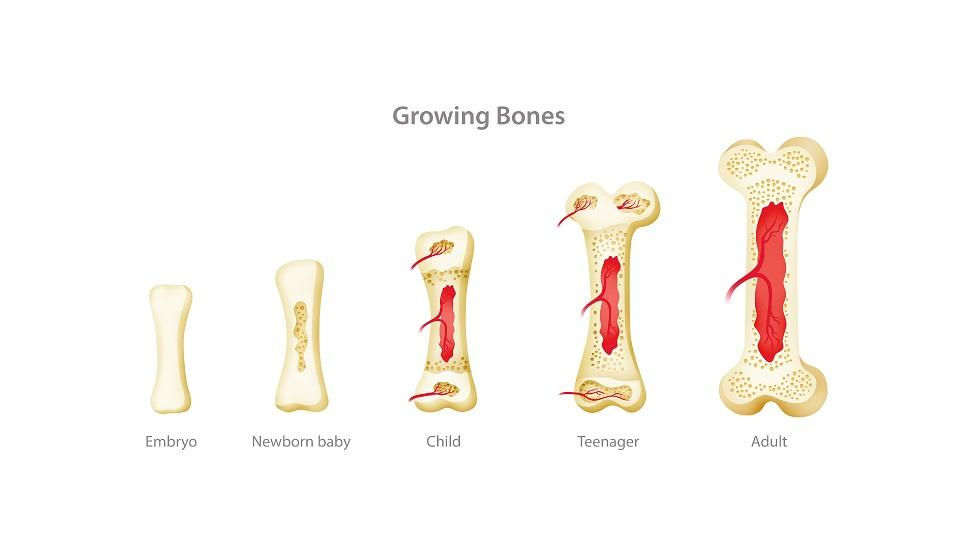
What is ossification, and why is it so important?
Updated: Mar 14
When it comes to child car seat safety, one of the most important, but least understood, factors is ossification. Put simply, ossification is the gradual process where a baby’s soft cartilage turns into hard bone. This transformation doesn’t happen overnight. In fact, ossification continues throughout childhood and often isn’t complete until the late teens or even early adulthood.
During the early years, children’s bones, especially in the spine and neck, remain soft and underdeveloped. This makes them far more vulnerable in the event of a car crash, particularly when exposed to high-impact forces in a forward-facing position. The consequences of this can be severe and even fatal.
Why Rear-Facing is Safer
Because ossification takes so many years to complete, it’s safest for children to remain rear-facing for as long as possible. In a rear-facing seat, the forces of a crash are spread across the entire back, neck, and head - helping to minimise the risk of serious or life-altering injuries.
In contrast, forward-facing too early places all the crash forces on a child’s less developed neck and spine. The spine of a 1-year-old, for example, still contains large amounts of cartilage that isn’t fully ossified. This cartilage is flexible and can stretch up to 2 inches - but it only takes a ¼ inch stretch to rupture, potentially damaging the spinal cord.
The Risks of Forward-Facing Too Soon
When a child is forward-facing before their spine is ready, the forces of a crash can cause their head to be violently thrown forward. Because the bones, ligaments, and muscles in their neck are still developing, they may not be strong enough to hold the head in place. In severe cases, this can result in atlanto-occipital dislocation, also known as internal decapitation - where the skull becomes dislocated from the spine without breaking the skin. This type of injury is often fatal or leads to permanent paralysis or brain injury. Extended rear-facing helps reduce this risk by keeping the head, neck, and spine aligned and better supported in a crash.
Booster Seats and Bone Development
Ossification is also important when thinking about the right time to move to a high-backed booster. These seats rely on the vehicle’s seatbelt for restraint, meaning your child needs enough bone strength and muscle control to stay properly protected in a crash.
If their body isn’t ready, the seatbelt alone may not be enough to prevent injury - especially in a side impact or rollover collision. That’s why we strongly recommend keeping children rear-facing until they are at least 125cm and/or 36kg, when their bodies are more mature and better able to handle crash forces.
The Bigger Picture
The spinal column protects the spinal cord - the vital pathway between the brain and the rest of the body. Damage to the spinal cord can result in permanent paralysis, brain injury, or even death. Young children are particularly at risk because their spines are not fully formed.
Extended rear-facing isn’t just about meeting minimum legal standards - it’s about giving your child the best possible protection while their body continues to grow.


FAQ
“My child is big, so it’s fine – right?”
No. Physical stature doesn’t correlate with bone ossification. An 18kg, 105cm two-year-old is still just that, a two-year-old, and their bones are still in the early stages of development. While they may look physically bigger, their neck and spine are just as vulnerable as any other child their age. This is why extended rear-facing is recommended based on development, not just height or weight.
“How can I tell when my child’s bones have ossified enough?”
There’s no simple way to see this from the outside. Ossification is a gradual process that typically isn’t complete until late childhood or even the teenage years. This is why safety recommendations focus on age, development, and the type of restraint used, rather than waiting for bones to fully harden - something only visible on imaging scans and not routinely assessed.


