
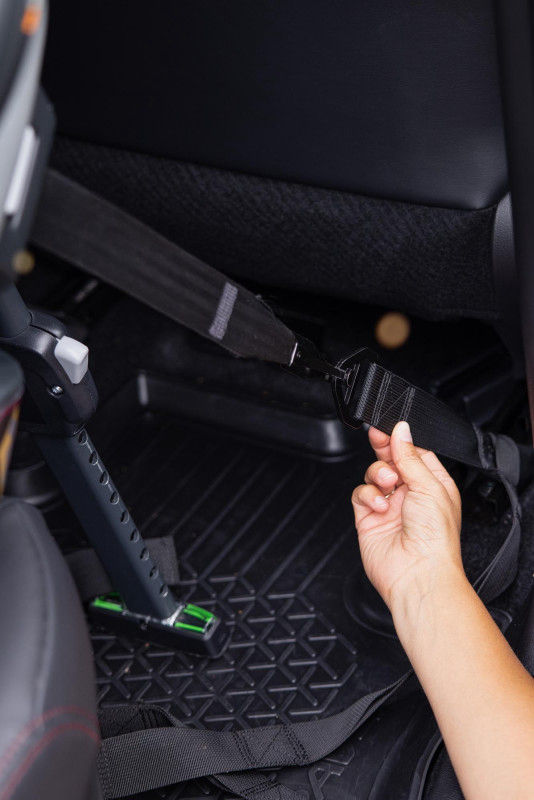
Where to attach lower tethers in your vehicle
- Mar 28
- 3 min read
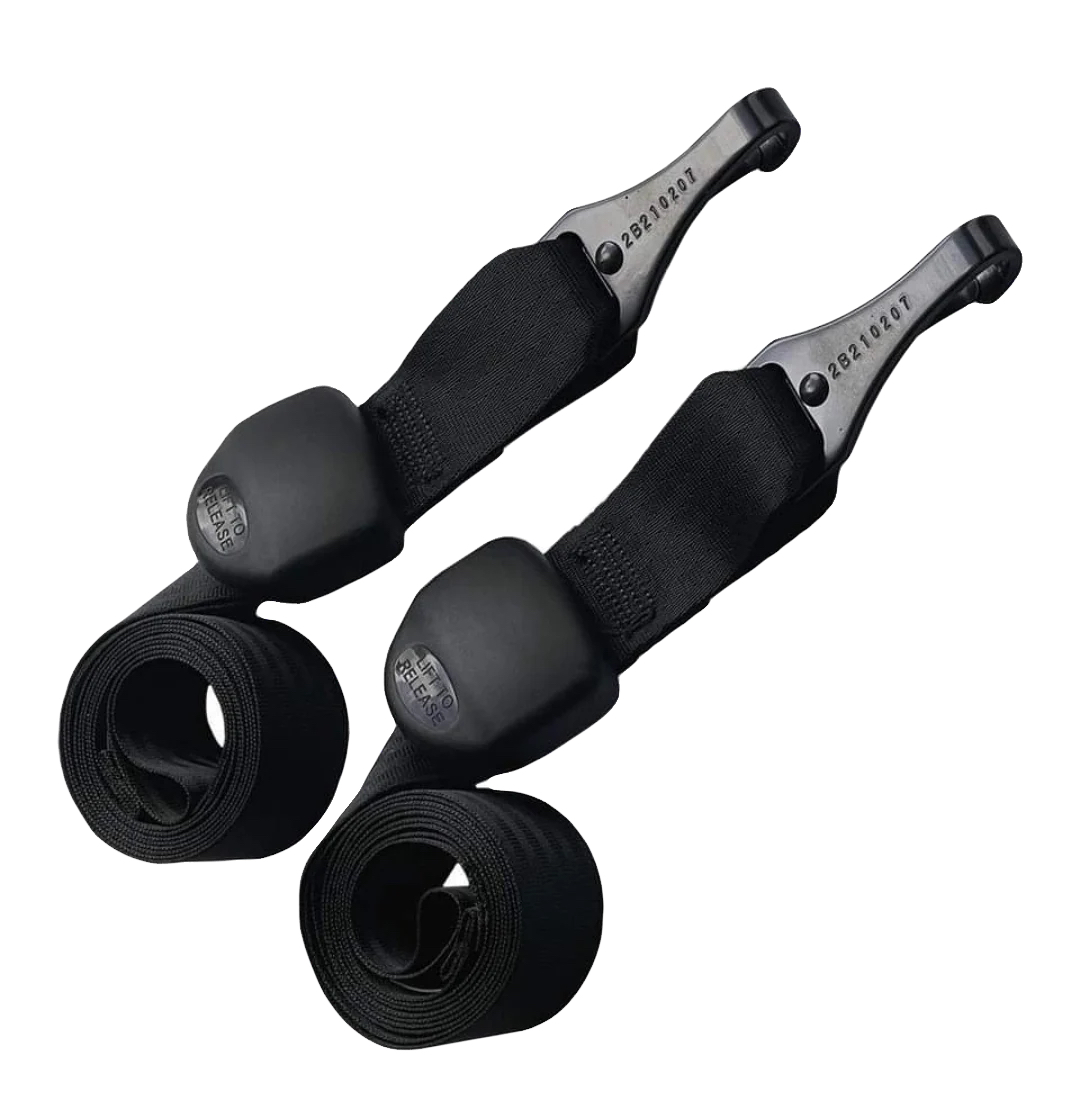
If you’re using an extended rear-facing (ERF) car seat up to 25 kg or 36 kg, most feature lower tether straps. They are not an optional extra - they’re a core part of how the seat works.
Lower tethers are straps that secure the car seat to a fixed point in the vehicle, helping to stabilise it and control movement in a crash. Think of them as the quiet behind-the-scenes anchors - you don’t always notice them, but they’re doing a big job.
All ERF seats that require tethers come with a set in the box, and while the setup might look a bit intimidating at first, once you know where to attach them, it becomes second nature.
They’re different, but not difficult.
Where can you attach lower tethers?
Despite how it might feel when you’re upside down in the footwell with a torch in your mouth, there are actually several safe and approved places to attach tethers.

Front seat rails
This is the most common and usually the easiest option. You loop the tether strap around the rail of the seat in front, typically feeding it under the rail and behind the bolt. It’s quick, secure, and widely compatible across vehicles.

Under the seat the car seat is installed on
In some vehicles - especially vans and MPVs - you can tether directly to metal parts under the seat your child’s seat is sitting on. As long as it’s fixed, solid metalwork, this is a perfectly safe option. You may need to cross the tethers to avoid them slipping around the side of the vehicle seat.

Tether loops
Some vehicles (hello, Scandinavian practicality) come with built-in tether loops. These are small metal brackets designed specifically for this job. You can also buy them separately (Axkid) to make installs easier or more consistent between cars.

Front seat pillars
If rails aren’t accessible (rare, but it happens), you can wrap the tether around the base or pillar of the front seat. Just be aware this restricts seat movement afterwards.
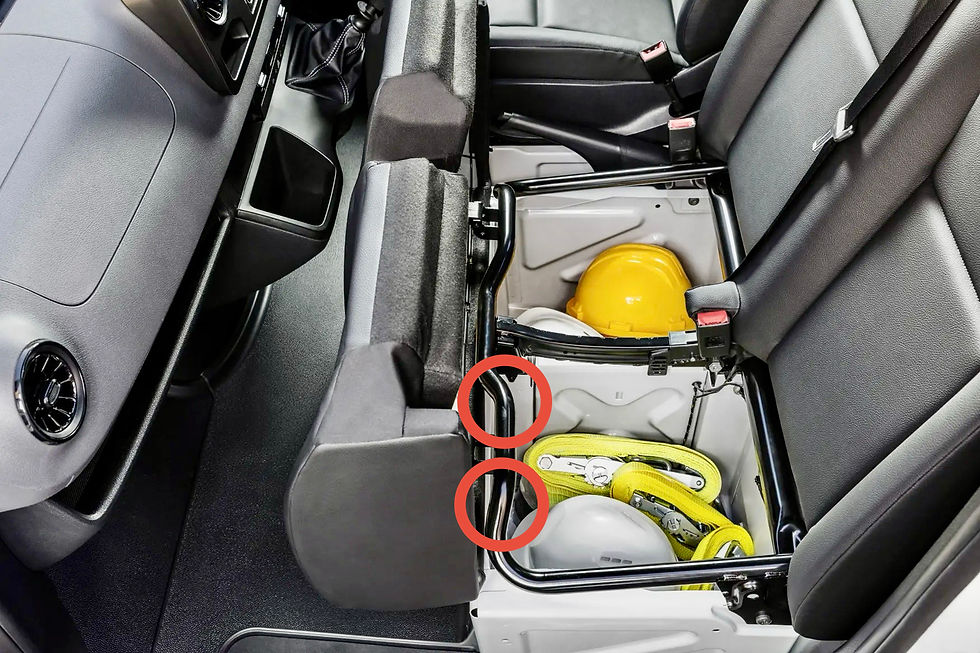
Any suitable solid metalwork
Particularly in vans and larger family vehicles, you might find multiple exposed metal points. The key rule here: it must be fixed, strong, and not something the tether could slip off.
Does the method matter?
Here’s the reassuring bit: all approved tethering methods are equally safe when done correctly.
There isn’t a “best” method - just the one that works best in your specific vehicle. The goal is always the same: a secure, stable installation with minimal movement.
Common mistakes to avoid
Using plastic trim or weak components instead of solid metal
Leaving slack in the tether straps
Twisted straps (they should always lie flat)
If in doubt, this is exactly what your retailer or manufacturer is there for. A quick check can turn uncertainty into confidence.



FAQs
Do I have to use lower tethers?
Yes. If your car seat requires them, they are a non-negotiable part of the installation and safety system.
Can I use any tether straps?
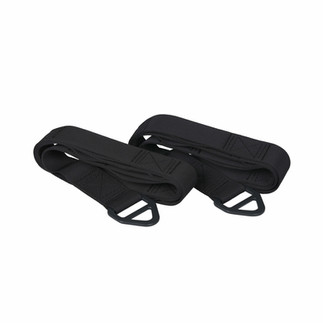
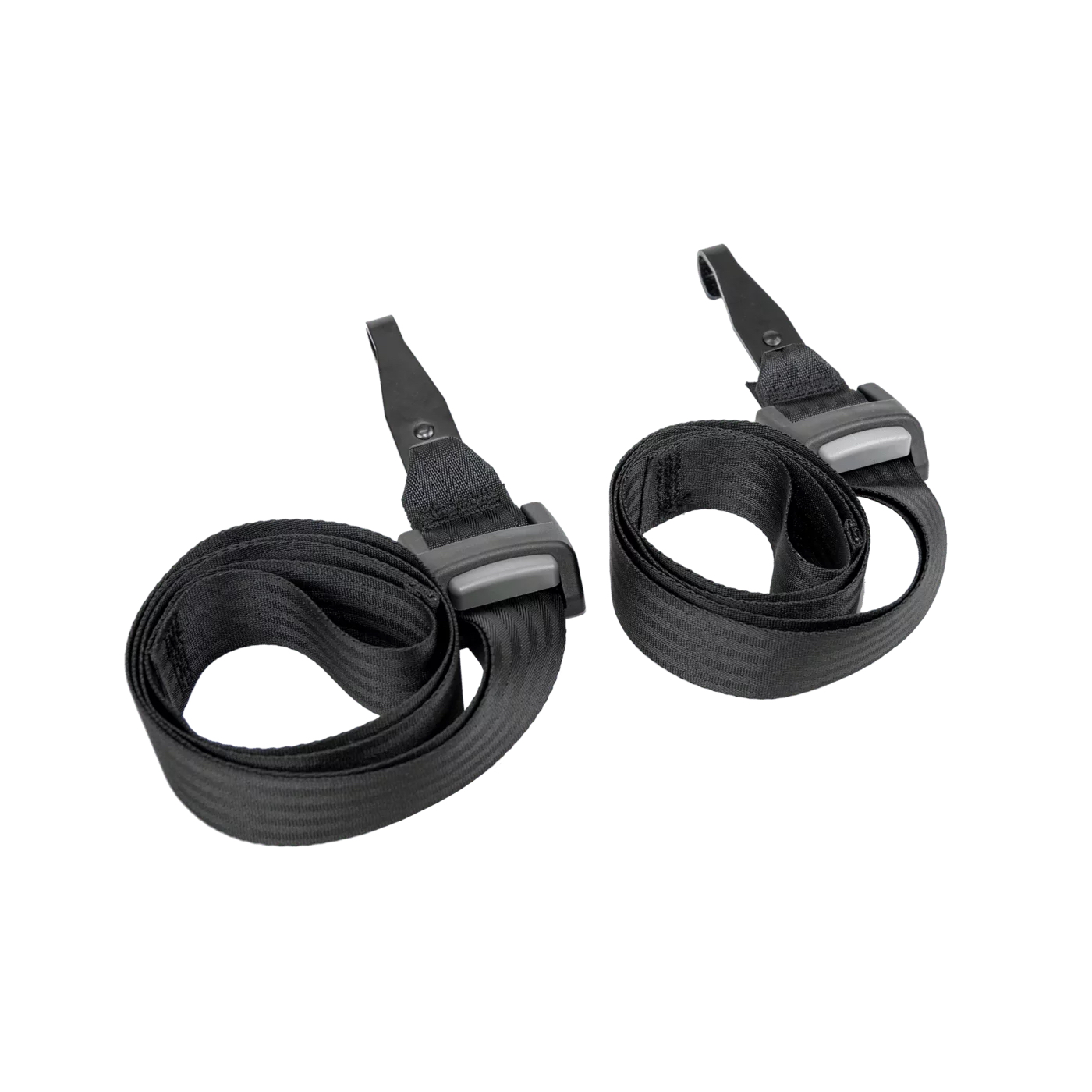
No - you must use the tether straps designed for your specific car seat model. Tethers are not universal, and using the wrong ones could affect how the seat performs in a crash. Always stick with the manufacturer-provided straps or approved replacements.
Can I put two tethers around one rail?
If you’re installing two tethered seats side by side - yes. It’s fine for each seat to have a tether attached to the same front seat rail, as long as everything is fitted securely.
However, for a single car seat, the tether straps should be attached one to each rail. This keeps the seat balanced and ensures crash forces are distributed evenly.
I’ve lost a tether - can I just use one?
No. If your seat requires two tethers, both must be used. Using only one can compromise the stability and safety of the seat. You’ll need to replace the missing tether before using the seat.
Can I use second-hand tethers?
No. Using second-hand tethers carries the same risks as using a second-hand car seat or ISOFIX base. You don’t know their history, whether they’ve been damaged, or if they’ve been under load. Always use new, approved replacements from the manufacturer.
What if I can’t find a suitable tether point?
Stop and check before using the seat. Contact your retailer or the seat manufacturer for guidance - there is almost always a solution.


